关于我们
用可持续材料和未来电池解决方案改造能源


As the global population continues to grow, so does the demand for the infrastructure, energy, transportation, and technology that support modern life. By 2050, the world's population is projected to reach nearly 10 billion people, placing unprecedented pressure on industries to provide the resources needed for sustainable development. The challenge is no longer simply producing more, but to produce responsibly.
Among the many resources shaping the future, nickel has emerged as one of the most strategic minerals of the 21st century. Essential for stainless steel, renewable energy systems, and electric vehicle (EV) batteries, nickel plays a critical role in enabling the global transition toward a lower-carbon economy. However, as demand continues to rise, the mining industry also carries a greater responsibility to ensure that growth goes hand in hand with environmental stewardship and social progress.
A larger global population means increasing demand for housing, roads, hospitals, schools, transportation networks, renewable energy infrastructure, and digital technologies. These sectors all depend on reliable access to critical minerals that make modern development possible.
Infrastructure expansion requires durable materials capable of supporting long-term development. Renewable energy systems rely on advanced materials to improve efficiency and resilience. The transportation sector is rapidly shifting toward electric mobility, while technological innovation continues to drive demand for batteries, electronics, and energy storage solutions.
Nickel is one of the key materials connecting these industries. Its unique properties make it indispensable in supporting the technologies that will define the future.
As demand for nickel continues to grow, responsible mining practices have become increasingly important. Sustainable mining is no longer viewed as an option but as a fundamental requirement for ensuring that natural resources continue to benefit future generations.
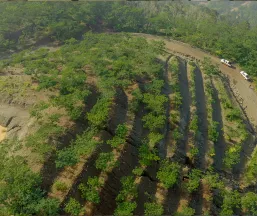
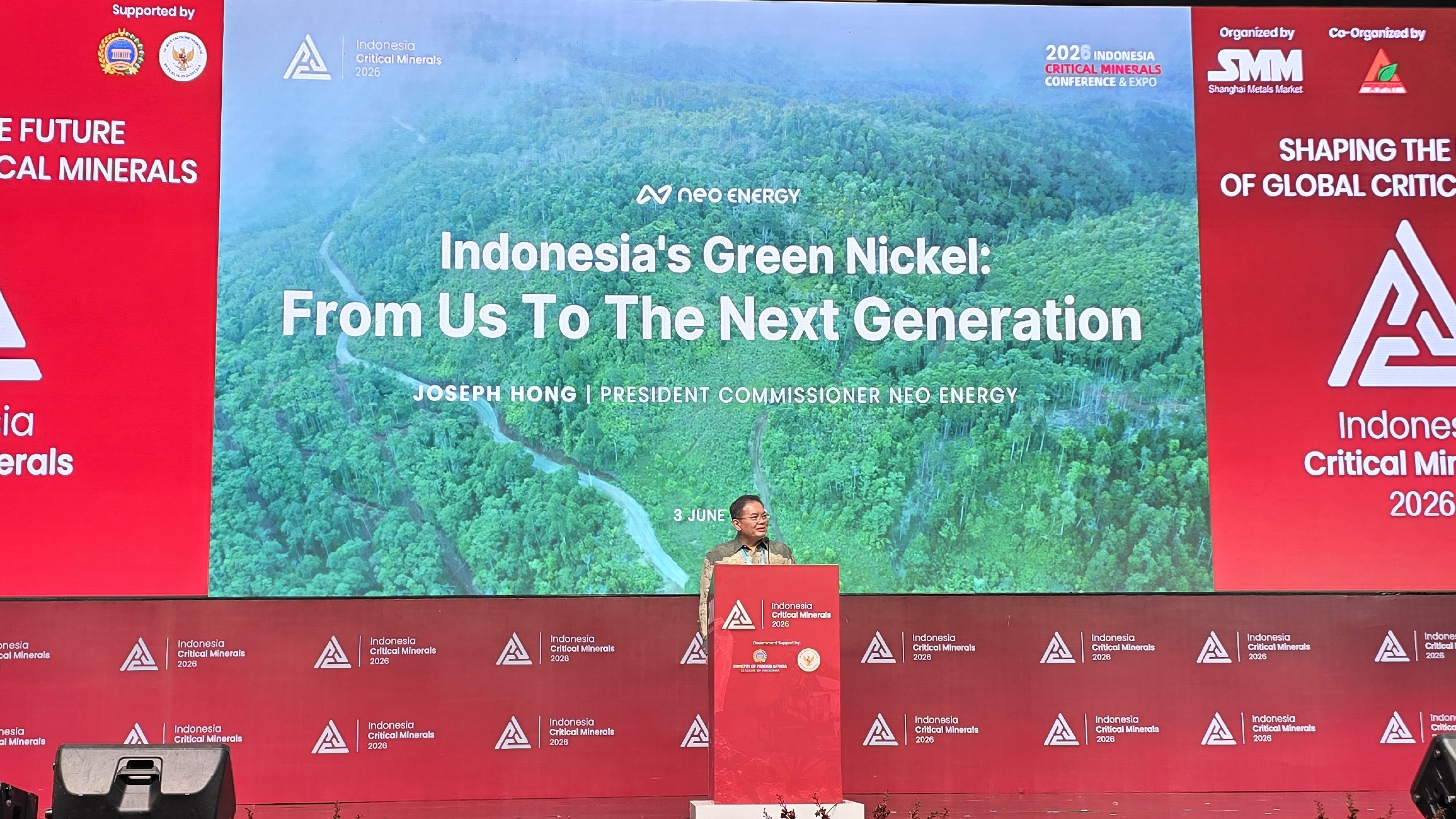
At Neo Energy, sustainability extends beyond responsible resource extraction. The company is committed to integrating environmental protection into every stage of its operations through land rehabilitation, reforestation, biodiversity conservation, and continuous environmental management.
These initiatives demonstrate that industrial development and environmental responsibility can move forward together. By restoring degraded land, protecting ecosystems, and implementing sustainable operational practices, mining companies can contribute not only to economic growth but also to long-term ecological resilience.
Meeting the needs of nearly 10 billion people will require collaboration across industries, governments, and communities. Responsible mining forms one of the essential foundations of this effort by supplying the critical materials needed to support infrastructure development, renewable energy, transportation, and technological innovation.
At Neo Energy, we believe that responsible nickel mining is essential to powering a sustainable future. Our commitment goes beyond producing critical minerals. It is about creating long-term value for society while protecting the environment and supporting the global energy transition.
As Indonesia strengthens its position as one of the world's leading nickel producers, companies have an opportunity to demonstrate that sustainable industrial growth and environmental responsibility are not competing priorities but complementary goals. Through innovation, responsible operations, and continuous improvement, the nickel industry can help build a future where economic development, environmental protection, and community well-being grow together.
The future will demand more from every industry. At Neo Energy, we are committed to ensuring that every step forward contributes not only to powering the world of tomorrow, but also to preserving it for generations to come.